Mahershala Ali Says Marvel's Blade Cost Him a Year of Training - and More
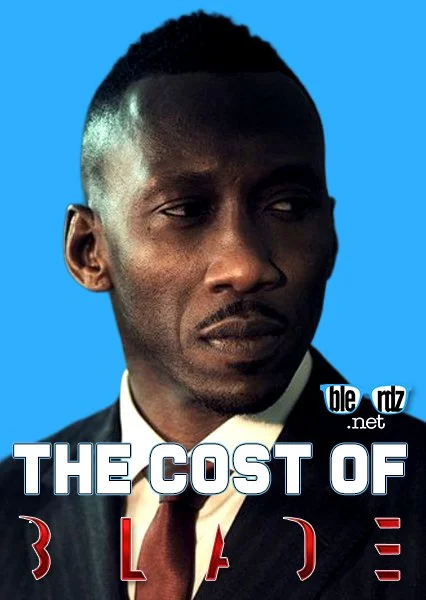
In a September 22 GQ interview, Ali described an injury, a family move and the career time consumed by a movie that never reached production.
MARVEL | MOVIES | CELEBRITY
Mahershala Ali says Marvel Studios' unmade Blade film consumed a year of physical training, left him with a knee injury and prompted a temporary family move to Atlanta - all before cameras rolled. In a September 22 conversation with GQ's Zach Baron, the two-time Oscar winner turned one of Marvel's longest development sagas into something more concrete: a story about labor, opportunity cost and promises a studio could not keep.
The interview appeared in GQ's One More Question series. When Baron read Kevin Feige's earlier description of himself as a failure for not getting the movie made with Ali, the actor answered plainly: "I agree with him one hundred percent. ... He should feel that way." That is Ali's judgment, not an independent finding about blame. His account of the preparation and disruption, however, is firsthand.
That distinction matters. Fans have spent years trading theories about scripts, directors, strikes and release calendars. Ali's new comments shift the center of the story from corporate churn to what the churn demanded from the person Marvel introduced as its next Daywalker.
What Ali says Blade cost him
Ali said he began discussions with Marvel in 2019 and appeared at San Diego Comic-Con that summer, even though he was wary of announcing a film before the work was secure. Once the project moved forward, he trained for a year, studied sword work and multiple martial arts, and moved his family to Atlanta while waiting for production.
He also said the training caused a serious knee injury. As delays continued, the project held space on his calendar and affected the number of films he could make after Green Book. The simple version is brutal: a public commitment can create real obligations for talent even when the studio never reaches principal photography.
Development delays are common, and actors regularly prepare for projects that change or disappear. What makes Ali's account newsworthy is the scale and specificity of the commitment: a full year of training, a relocation, a physical injury and scheduling consequences attached to one of the industry's largest studios. Those details move the conversation beyond fan disappointment and into the practical cost of keeping talent on standby.
Marvel's 2019 reveal also made Ali part of the product long before there was a product to sell. The Comic-Con moment generated headlines, expectations and years of questions directed at him, while the decisions needed to start production remained inside the studio. That imbalance is the clearest lesson in the interview: publicity can be immediate, but the risk of delay does not land evenly on everyone involved.
For Black superhero fans, the gap is especially visible. Blade was already a Black-led comic-book movie franchise before today's shared-universe machinery existed, and Ali's casting promised another major Black hero at the center of Marvel's supernatural lane. There is no evidence that race caused the production failure, and this interview does not make that claim. The cultural consequence is still real: years of promotion produced no Ali-led movie.
Marvel has explained one part, not all of it
Feige previously told the Happy Sad Confused podcast that Marvel did not feel confident enough in the script to improve it during production. He said the studio did not want to put Ali in a leather outfit and send him after vampires without a distinctive movie around him. That explanation accounts for Marvel's quality threshold, but it does not erase the time Ali says he invested or answer every decision that kept the project alive for so long.
Ali told GQ that he still does not know why the film failed to happen. He also criticized announcing work too early and said Marvel never delivered what he needed to deliver a performance. The interview does not announce a revival, replacement star, director or release date, so any claim that this version of Blade is suddenly back would be speculation.
The work found another home
There is one useful turn in the story. Ali reunited with original Blade director Bassam Tariq for Your Mother Your Mother Your Mother, and he told GQ that the action preparation carried over when the smaller production had little time and money. He described that film as creatively fulfilling and said Blade's collapse helped clarify the kinds of stories, directors and executives he wants around him.
That is not a tidy redemption arc for Marvel. It is an actor salvaging craft from a project that spent years asking for his readiness without becoming ready itself. For now, the next Blade update worth trusting will be a finished plan, not another stage entrance. 👓